Used Flexible Conveyors for Sale
- Also known as expandable conveyors, these provide an easy way to transport material and product, and can be used in many different settings, much like gravity conveyors.
- Expand and contract to fit any area, making them ideal for dynamic facilities where floor space is a concern.
- Sit on casters for easy movement around the warehouse floor.
- Easy to store when not in use.
- Enhance productivity when loading and unloading trucks at shipping docks, or when extending an existing conveyor line to a trailer.
- Recommended for packaging, shipping and receiving, sortation, and assembly lines.
- Various lengths and widths available to fit all needs.
- ASI pays top dollar for used flexible conveyors: Learn More About Our Purchasing Program

We Buy Used Warehouse Equipment
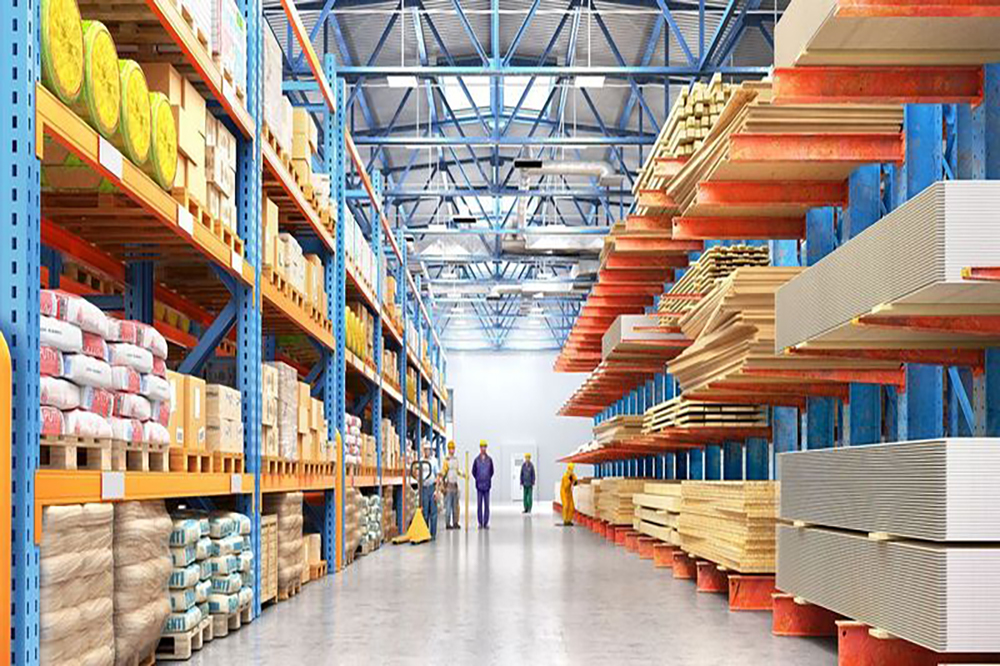
Are you moving or liquidating your facility and looking to sell your used warehouse equipment or material? American Surplus Inc. can help! American Surplus Inc. offers a purchasing program for new and used warehouse and material handling equipment. Learn more about our purchasing program online or call our sales office at (800) 876-3736 to get started.
About Flexible Conveyors
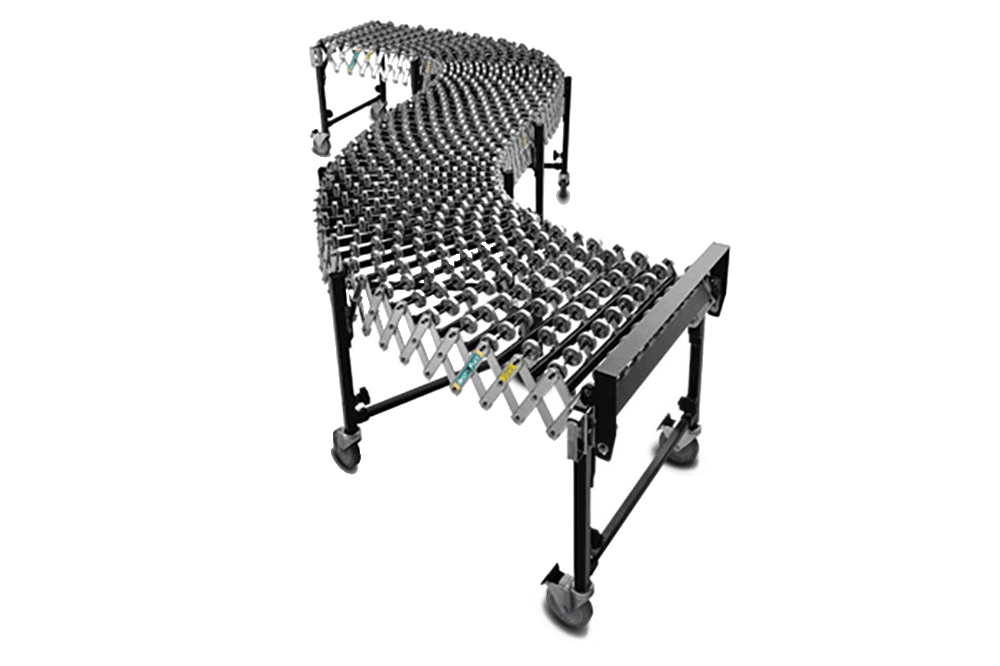
Flexible conveyors, also known as expandable conveyors, come in several styles, including flexible gravity roller, flexible gravity skatewheel, and flexible powered roller conveyor. Designed like an accordion, they contract for quick relocation and storage, then expand to the length you need. Sections can curve around corners and obstacles, letting you change flow points without permanent installation.
Expandable conveyors are commonly used for truck loading and unloading, retail back rooms, shipping areas, loading docks, packaging, portable assembly lines, order picking stations, and plant floors. By removing workarounds and extra steps in moving packages, flexible conveyors improve ergonomics, reduce injury risk, and boost package handling productivity.
Gravity flexible conveyors need no power. Set at a slight decline, they let product flow on its own from a higher point to a lower one. Set level, they let workers push product along by hand, which is ideal where items need to be handled manually. Powered flexible conveyors move product without a decline. Flexible conveyor can also connect to fixed gravity or power conveyor to extend an existing line.
Because they are lightweight and portable, flexible conveyors can even travel with your shipments. This is ideal when delivering to a location without a designated loading or unloading area, helping workers unload quickly and efficiently.
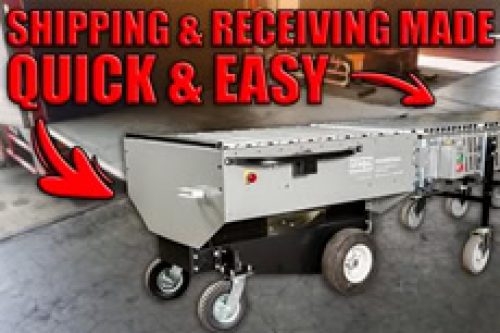
Flexible conveyor brands such as BestFlex and Nestaflex allow quick, effective loading and unloading with less operator assistance, and used flexible conveyor is less expensive and easier to maneuver than truck loaders. To move flexible conveyor easily in and out of trucks, ASI also offers PowerTrax conveyor handlers.
At American Surplus, we stock used flexible powered roller and gravity skatewheel conveyor from manufacturers including BestFlex, Nestaflex, Roach, and more. Before each unit leaves our facility, we replace all banding and thoroughly test it for functionality. With prices up to 60% off the cost of new, call (800) 876-3736 or request a quote online today.
Why buy used? The biggest reason is savings, without giving up reliability. All used conveyors are cleaned, inspected, and tested prior to packaging and shipment, and most used conveyor is backed by a 30-day ASI guarantee. If any parts are found defective, ASI will replace them with another pre-owned part at no cost to the purchaser.
Advantages of Flexible Conveyors
Flexible conveyors offer many advantages for material handling and transportation. Here are some of the key benefits:
- Versatility: Flexible conveyors can be used in a wide range of applications, making them a versatile solution for material handling needs. They can be easily adapted to different layouts and configurations, allowing for greater flexibility and adaptability in changing production environments.
- Easy to set up: Flexible conveyors are generally easy to set up, often requiring little or no specialized tools or equipment. This makes them a cost-effective option for businesses looking to streamline their material handling processes.
- Space-saving: Flexible conveyors are typically compact and can be easily collapsed and stored when not in use, helping to save valuable floor space in warehouses and other facilities.
- Ergonomic: Flexible conveyors can be adjusted to match the height of the user, reducing the need for heavy lifting and awkward positioning. This helps to improve worker safety and reduce the risk of workplace injuries.
- Efficient: Flexible conveyors are designed to transport materials quickly and efficiently, reducing the need for manual handling and speeding up production processes.
Flexible Conveyors Applications
Some common uses for flexible conveyors include:
- Loading and unloading trucks: Flexible conveyors are often used to load and unload trucks in warehouses and distribution centers. They can be easily adjusted to match the height of the truck bed, allowing for efficient and ergonomic loading and unloading.
- Assembly lines: Flexible conveyors are also used in assembly lines to transport parts and products between workstations. They can be easily moved and adjusted to accommodate changes in the production process.
- Packaging and shipping: Flexible conveyors are commonly used in packaging and shipping applications, where they can be used to transport products from the production line to the packaging area or shipping dock.
- Retail and e-commerce: Flexible conveyors are also used in retail and e-commerce settings to move products from storage areas to the sales floor or shipping area.
Flexible Conveyors Manufacturers
- Best Conveyors (BestFlex)
- Nestaflex
- Roach Conveyors
- Ashland Conveyor Products
- Hytrol Conveyor Company
- FMH Conveyors
- UNEX Manufacturing
Flexible Conveyors are Also Known As
- Expandable conveyors
- Portable conveyors
- Flexible gravity conveyors
- Flexible skatewheel conveyors
- Flexible roller conveyors
- Flex conveyors
- Collapsible conveyors
- Accordion conveyors
Flexible Conveyors Frequently Asked Questions
Q: What is a flexible conveyor?
A: A flexible conveyor, also known as an expandable conveyor, is a type of material handling equipment that can be extended or contracted to accommodate varying lengths and configurations. It consists of flexible sections that can be expanded or collapsed, allowing for easy adjustment and flexibility in conveying applications.
Q: How does a flexible conveyor work?
A: A flexible conveyor consists of a series of interconnected sections of rollers or skatewheels that can be expanded, contracted, and curved to the desired length and layout. On gravity models, items move along the rollers or wheels by a slight decline or a manual push. On powered models, motorized rollers move the items.
Q: What types of products can be transported using flexible conveyors?
A: Flexible conveyors are suitable for a wide range of lightweight to medium-weight products with a firm, flat bottom, such as boxes, cartons, totes, and packages. They are commonly used in warehousing, distribution centers, loading and unloading trucks, and assembly lines.
Q: Can flexible conveyors be connected to other conveyor systems?
A: Yes, flexible conveyors can be integrated with other conveyor systems to create more comprehensive material handling setups. They can be connected to other types of conveyors, such as gravity conveyors or powered conveyors, to facilitate the smooth transfer of items between different sections of the conveyor system.
Q: What factors should be considered when choosing a flexible conveyor?
A: When selecting a flexible conveyor, important factors to consider include the desired length and width, weight capacity, gravity or powered operation, the type of products to be transported, available space, and any specific requirements or constraints of the application.
Q: Are there any safety considerations when using flexible conveyors?
A: Safety is important when working with flexible conveyors. Operators should be trained in safe operating procedures, including proper handling of items on the conveyor and maintaining a safe distance from moving parts. It is also essential to ensure that the flexible conveyor is stable and securely positioned during operation to prevent accidents or tip-overs.